Arrange a Welcoming Room
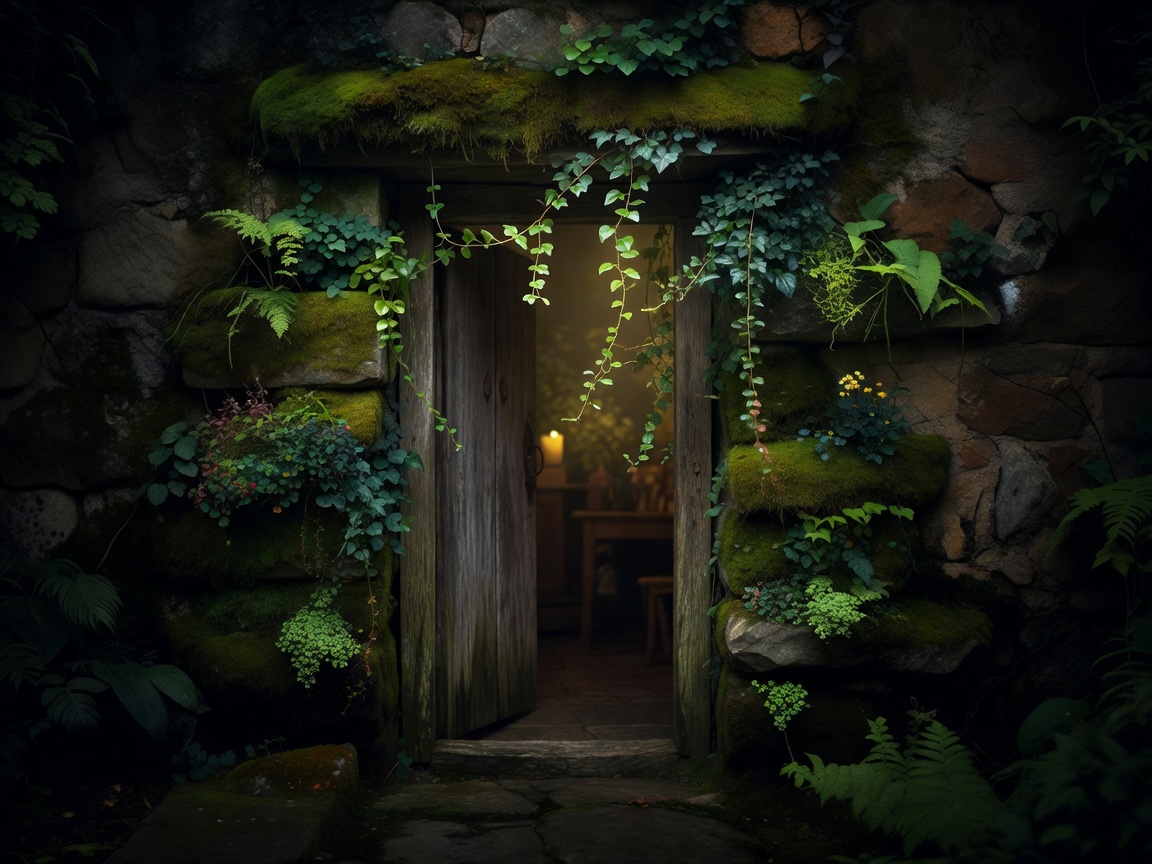
Before a host has spoken a single word, the room itself has already communicated the rules of engagement. Spatial design, ambient lighting, and acoustic dampening are the silent mechanics that transform a sterile living space into a magnetic, festive environment. When a guest crosses the threshold, they should instinctively understand where to place their coat, where to find a drink, and where it is safe to settle.
The Architecture of Flow
A successful room arrangement deliberately engineers movement. The most common hosting error is placing the bar, the food, and the seating all in one central node. This creates an impassable bottleneck that traps early arrivals and alienates latecomers. Instead, deconstruct your stations.
Place the beverage station in a secondary room or far corner to force guests to walk through the space. Position small clusters of food on varied surfaces—a side table here, the kitchen island there, the main dining table. By scattering the draws of the party, you encourage constant, gentle circulation. This movement organically breaks up stagnant conversations and allows guests to cross paths without the awkwardness of excusing themselves from a static circle.
Lighting as Geography
Overhead lighting is the enemy of intimacy. It exposes the room uniformly, removing mystery and making guests feel overly observed. True atmospheric hosting relies on islands of light separated by comfortable darkness.
- Low-Level Ambience: Rely heavily on table lamps, floor lamps, and mantelpiece lighting. This draws the eye down to human height, focusing attention on faces rather than the architecture of the ceiling.
- Fire and Refraction: Candles are indispensable not merely for tradition, but for their kinetic quality. A flickering light source adds movement to a static room. Place them near reflective surfaces—mirrors, glassware, metallic trays—to amplify their warmth without increasing the harshness of the room.
- Safety in Shadows: Guests feel more secure conversing in slightly darker areas. Do not be afraid of dim perimeters; they provide a retreat for introverted guests to observe the party before diving back in.
Acoustics and Comfort
A room full of hard surfaces—wood floors, bare windows, minimalist furniture—will bounce sound relentlessly, turning a dull roar into an exhausting cacophony. The festive setting requires dampening.
Introduce heavy textiles. If you have hardwood floors, lay down temporary, thick rugs. Keep curtains drawn to soften window reflections and absorb high-frequency noise. Use throw pillows and thick blankets draped over seating. This not only makes the physical seating more inviting, but it fundamentally alters the acoustic profile of the room, making conversation possible without shouting.
The Threshold Experience
First impressions matter intensely. The entryway should immediately relieve the guest of their burdens. Ensure there is a clear, visible place for coats and bags, or intercept them instantly upon entry. Have a low-light source near the door, and ensure the scent of the home (whether woodsmoke, roasting aromatics, or cedar) greets them before you do.
By taking control of the physical setting, you offload a tremendous amount of social heavy-lifting. A beautifully arranged, warmly lit, texturally rich room naturally induces relaxation, setting the stage for an evening guests will not want to leave.