Carry the Evening Smoothly
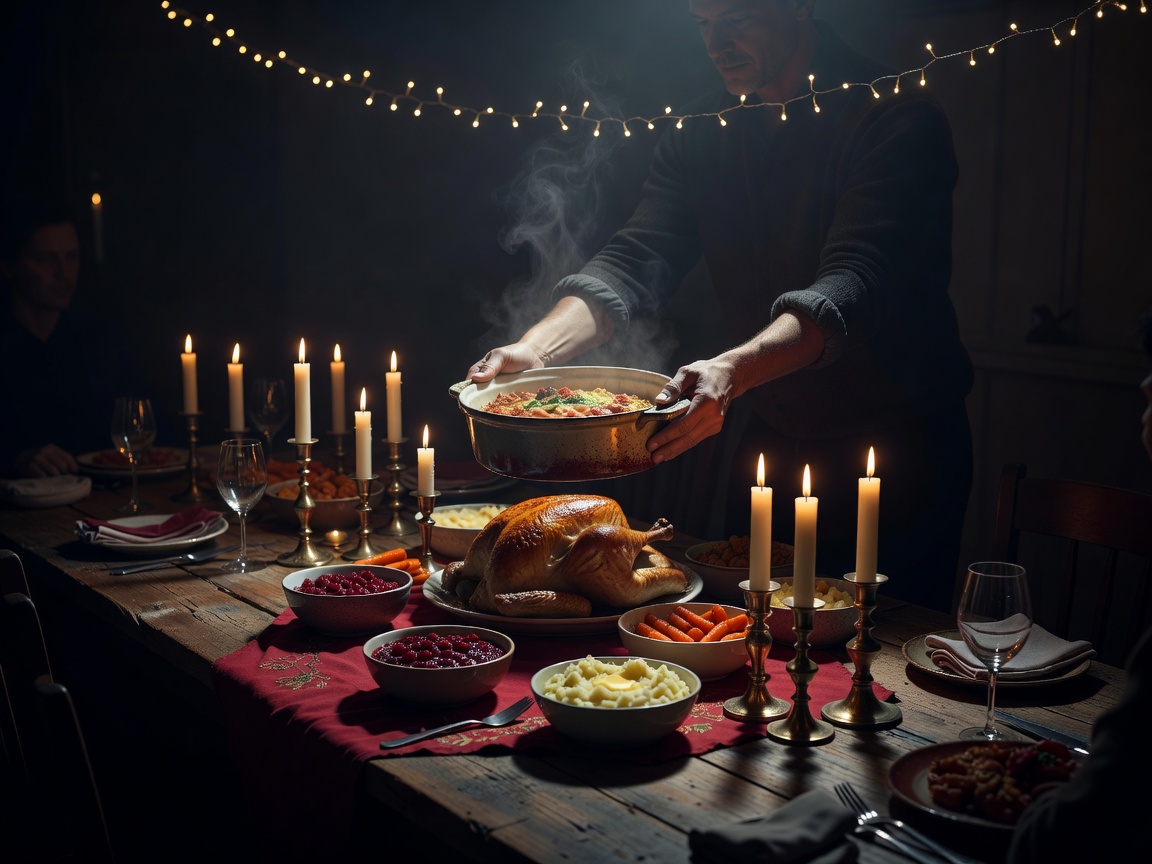
The most beautiful room and the most exquisite menu will fall flat if the host is visibly stressed. Tension is contagious; guests will subconsciously adopt the emotional state of the person leading the gathering. Carrying the evening smoothly requires front-loading the logistical friction so that, once the doorbell rings, you can shift from a manager of tasks to a curator of experiences.
Front-Loading the Friction
Rule number one of effortless hosting: never undertake a task during the party that could have been completed beforehand. This goes beyond chopping vegetables. Ice should be in the bucket. Wine should be uncorked and breathing (or chilled). The bathroom should be stocked with extra hand towels and paper. The playlist should be queued with enough runtime to stretch an hour past your expected end time.
If you are attempting to cook a complex, temperature-sensitive dish while simultaneously greeting arrivals, you have failed the flow of the evening. Rely on braises, room-temperature centerpieces, and items that improve as they sit.
The Art of the Pivot
No plan survives contact with guests. Someone will spill red wine. The timing of the roast will be off. Two guests who do not get along will end up cornered by the fireplace. The host's job is not to prevent these occurrences, but to absorb and pivot gracefully.
- The Spill Protocol: Keep club soda and a clean, dark towel hidden but accessible in every main room. When a spill happens, address it swiftly and silently, reassuring the guest that the rug is old or the table is meant to show wear. Never allow them to dwell on the apology.
- Conversational Rescue: Keep a mental map of where people are. If you notice a guest trapped in a one-sided monologue, intervene. "John, I need your opinion on this wine," or "Sarah, you must come tell David about your trip to the coast." Extraction is a host's duty.
- Menu Delays: If the food is late, do not apologize repeatedly. Pour more wine, distribute an emergency bowl of roasted nuts or olives, and lean into the extended cocktail hour. Confidence masks culinary errors.
Pacing the Arc of the Evening
Every great party has a distinct three-act structure. The first act is the arrival—high energy, anticipation, rapid introductions. The second act is the peak—the meal or the densest part of the gathering, characterized by sustained, deep conversation. The third act is the wind-down.
Do not allow the evening to flatline. You control the pacing through environmental cues. When it is time to shift from drinks to dinner, lower the music slightly and begin lighting the table candles. When it is time to conclude the night, do not announce it. Instead, execute the subtle mechanics of closure: switch from wine to water, begin clearing large plates, and shift the music to something acoustic and calm. Guests are highly attuned to these shifts and will naturally begin their farewells.
Being Present
The final and most crucial element of flow is your presence. A host who never sits down, who constantly wipes counters and clears glasses with frantic energy, makes guests feel like a burden. Leave a few dishes in the sink. Let the empty bottles sit on the sideboard. Sit down, pick up a glass, and join the conversation. You are the emotional anchor of the room; anchor it in joy.